
Losing a tooth can be unsettling. It changes how you smile, how you eat, and often, how you feel about yourself. For years, the only solutions were bridges or dentures, which—while helpful—didn’t always feel like a natural part of your mouth.
Dental implants have changed the conversation entirely. They aren’t just a cosmetic fix; they are the closest thing modern dentistry has to giving you your natural teeth back. If you have been considering restorative dentistry but feel overwhelmed by the jargon or the procedure itself, you aren’t alone.
This guide breaks down exactly what dental implants are, how they work, and whether you might be the right candidate for them.
What Exactly Are Dental Implants?
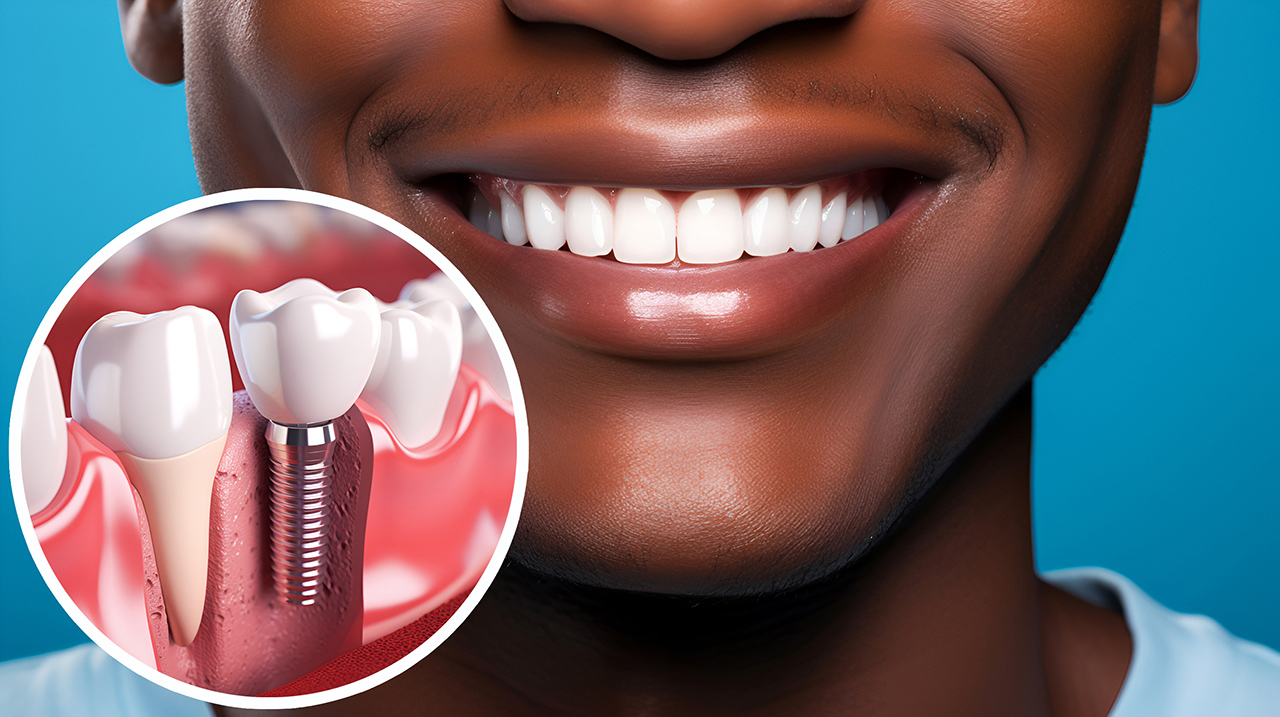
A dental implant is essentially an artificial tooth root. It is a small, screw-like post, usually made of titanium, that is surgically placed into the jawbone beneath the gum line. This post serves as a sturdy anchor for a replacement tooth or a bridge.
Unlike dentures, which sit on top of the gums, implants are integrated into the bone itself. This process, known as osseointegration, allows the titanium post to fuse with the jawbone over several months. This fusion creates a stable foundation that doesn’t slip or shift, providing a level of security that dentures often lack.
The Three Main Components
To understand how an implant works, it helps to see it as three separate parts coming together:
- The Implant Post: This is the cylinder placed into the jawbone. It acts as the root of the new tooth.
- The Abutment: This is a connector piece placed on top of the implant post. It holds the new tooth securely in place.
- The Crown: This is the visible part of the tooth. It is custom-made to match the colour and shape of your natural teeth, ensuring your smile looks seamless.
Who Is a Good Candidate for Dental Implants?
While implants are a fantastic solution for many, they aren’t right for everyone immediately. Success depends largely on your overall health and the condition of your mouth.
Sufficient Bone Density
Because the implant needs to fuse with the jawbone, you need enough healthy bone to support it. If you have had missing teeth for a long time, your jawbone may have shrunk or resorbed. In these cases, a bone graft might be necessary to build up the area before an implant can be placed.
Healthy Gums
Gum disease (periodontal disease) is a major enemy of dental implants. Healthy gums are essential to support the implant and prevent infection. If you have active gum disease, this will need to be treated and managed before surgery can be considered.
General Health
You need to be in good general health to undergo the minor surgery required for implants. Conditions like uncontrolled diabetes or heart disease can affect healing. Furthermore, heavy smokers may face a higher risk of implant failure, as smoking slows down the healing process and affects gum health.
Why Choose Implants Over Other Options?
You might be wondering why you should undergo surgery when bridges or dentures are available. The answer usually comes down to longevity and bone health.
When you lose a tooth, the bone that used to support it begins to deteriorate because it is no longer being stimulated by chewing pressure. Bridges and dentures sit above the gum and do not stop this bone loss. Implants, however, transmit chewing forces to the jawbone, stimulating it and helping to maintain its volume and density.
Additionally, unlike dental bridges, implants do not require the grinding down of adjacent healthy teeth to support the replacement. This preserves more of your natural tooth structure, which is always a priority in long-term oral health.
Taking the Next Step
Dental implants represent a significant investment in your health and confidence. They offer a durability and natural feel that other restoration methods struggle to match. By mimicking the structure of a natural tooth from root to crown, they allow you to eat, speak, and smile without hesitation.
If you think implants might be the solution for you, the best path forward is a consultation with a qualified dentist or oral surgeon. They can assess your bone density, discuss your medical history, and create a tailored plan to restore your smile.
0 Comments